Lawn Erosion Control in Honolulu, HI
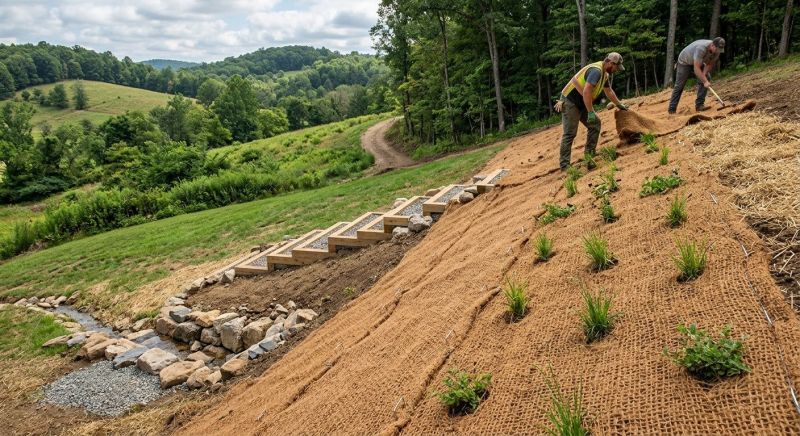
Lawn erosion control services focus on stabilizing soil and preventing loss of topsoil in residential landscapes. This service is essential for properties prone to runoff, especially on slopes or areas with loose soil, and involves techniques such as installing erosion barriers, planting ground cover, or using mulch and matting systems. Homeowners typically request erosion control when establishing new lawns, addressing existing erosion issues, or preparing landscapes for heavy rainfall, ensuring that the soil remains intact and the landscape maintains its appearance and functionality.
Property owners considering erosion control should understand the specific conditions of their site, including slope steepness, soil type, and drainage patterns. It’s important to identify the areas most vulnerable to erosion and determine the appropriate methods to stabilize the soil effectively. Proper planning can help ensure that the chosen solutions will provide long-term stability, reduce maintenance needs, and protect the overall health of the landscape.
Many property owners in Honolulu, HI look into Lawn Erosion Control for repairs, replacements, upgrades, and appearance-related improvements.
Erosion Prevention Strategies
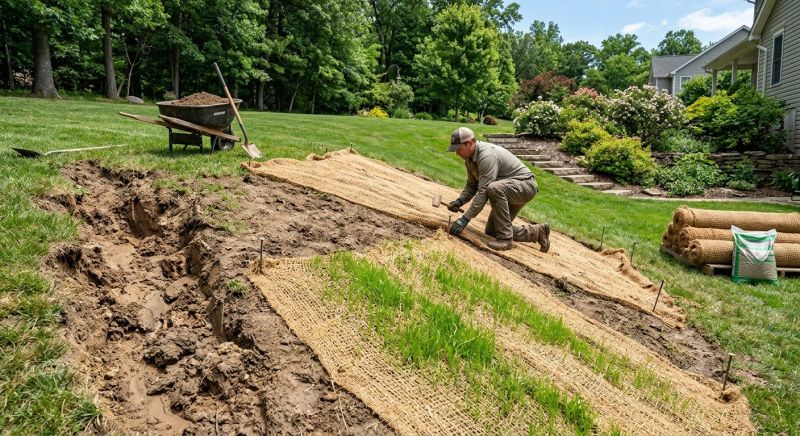
Effective methods help protect slopes and prevent soil loss on residential properties.
Retaining Wall Solutions
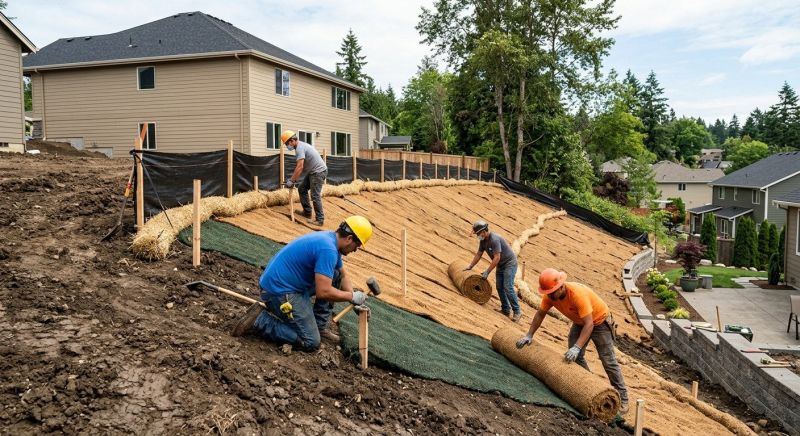
Properly constructed retaining walls stabilize soil and reduce the risk of erosion during heavy rains.
Drainage Management
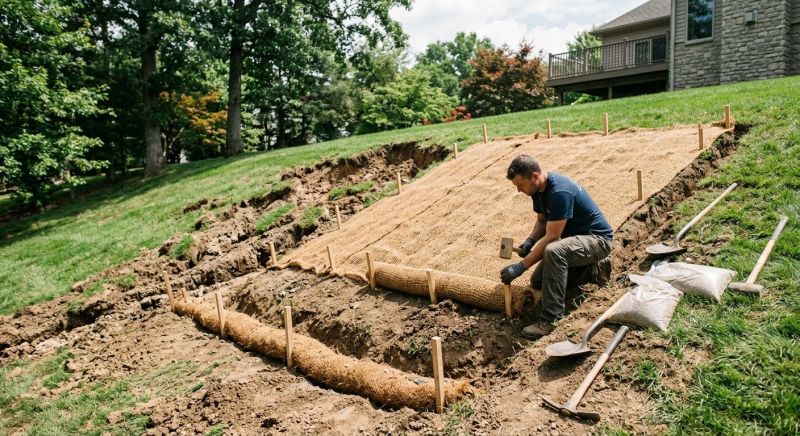
Proper drainage systems direct water away from vulnerable areas to minimize erosion damage.
Lawn Erosion Control in Honolulu, HI

Lawn erosion control services focus on stabilizing soil and preventing loss of topsoil in residential landscapes. This service is essential for properties prone to runoff, especially on slopes or areas with loose soil, and involves techniques such as installing erosion barriers, planting ground cover, or using mulch and matting systems. Homeowners typically request erosion control when establishing new lawns, addressing existing erosion issues, or preparing landscapes for heavy rainfall, ensuring that the soil remains intact and the landscape maintains its appearance and functionality.
Property owners considering erosion control should understand the specific conditions of their site, including slope steepness, soil type, and drainage patterns. It’s important to identify the areas most vulnerable to erosion and determine the appropriate methods to stabilize the soil effectively. Proper planning can help ensure that the chosen solutions will provide long-term stability, reduce maintenance needs, and protect the overall health of the landscape.
Many property owners in Honolulu, HI look into Lawn Erosion Control for repairs, replacements, upgrades, and appearance-related improvements.
Common Lawn Erosion Control Jobs
Terrace stabilization - techniques to prevent soil loss on sloped lawns.
Retaining wall installation - structures built to hold back soil and reduce erosion.
Drainage solutions - systems designed to direct water away from vulnerable areas.
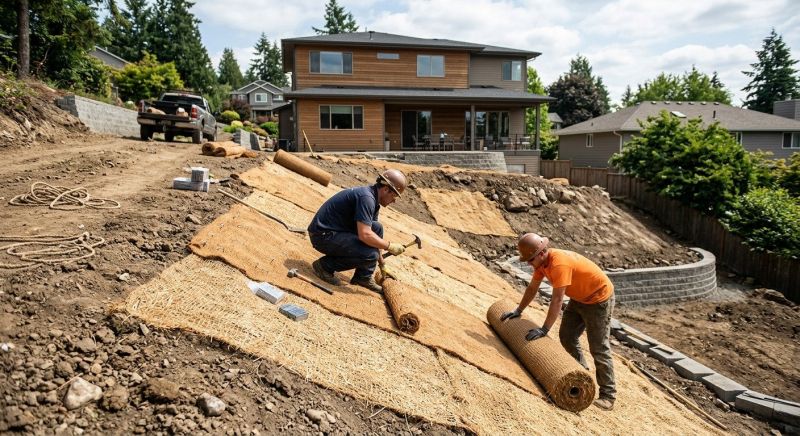
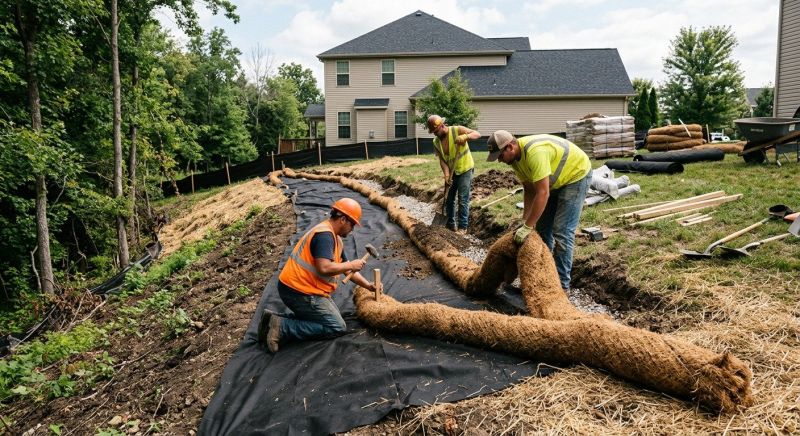
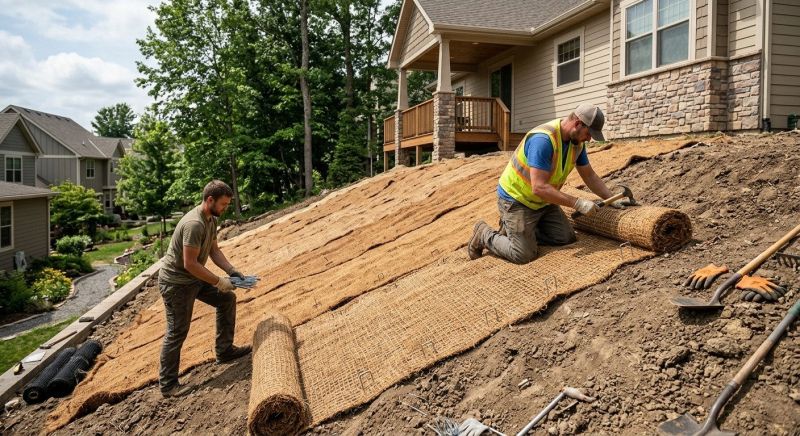
Erosion control mats - mats placed on slopes to protect soil from runoff.
Planting ground cover - vegetation chosen to stabilize soil and improve lawn health.
Sodding and seeding - methods to establish a resilient, erosion-resistant lawn surface.
Lawn Erosion Control Questions
What is lawn erosion control? It involves techniques to prevent soil loss and stabilize slopes caused by water runoff or heavy rainfall.
What types of erosion control methods are available? Methods include installing retaining walls, adding ground cover plants, and applying mulch or erosion control mats.
Why is erosion control important for my lawn? It helps protect the landscape, maintain soil health, and prevent damage to property caused by soil movement.
When should erosion control measures be installed? Erosion control should be considered before heavy rains or when landscaping slopes are vulnerable to soil loss.
Request Lawn Erosion Control in Honolulu, HI
Use the quote form on this page to share the basics of your project and request more information for the type of work you need.