Get Tree Cabling Service
Tree cabling services help property owners stabilize and support weak or damaged branches and limbs, preventing hazards and damage through professional installation by local contractors.
Tree cabling services are an important consideration for property owners looking to maintain the health, stability, and safety of their trees. Proper cabling can help support large or vulnerable branches, reducing the risk of damage during storms or high winds. Whether planning for long-term tree health or addressing specific structural concerns, property owners may explore local contractors who specialize in tree cabling to ensure their trees are properly supported and protected.
Exploring options for tree cabling involves comparing the expertise and services offered by nearby contractors. Many local providers can assess individual trees, recommend appropriate solutions, and implement cabling systems designed to meet specific needs. Continuing to read can help property owners gather information about available services and find trusted professionals capable of handling their tree support projects with care and precision.
- Tree Cabling Installation - needed when supporting weak or heavy branches to prevent damage during storms.
- Tree Cabling Inspection - recommended for assessing the stability of existing cabling systems in mature trees.
- Tree Cabling Repairs - required when existing cabling shows signs of wear, fraying, or failure.
- Tree Cabling Removal - necessary when cabling becomes damaged or no longer provides support.
- Tree Support System Upgrades - advised for enhancing tree stability as trees grow or after storm damage.
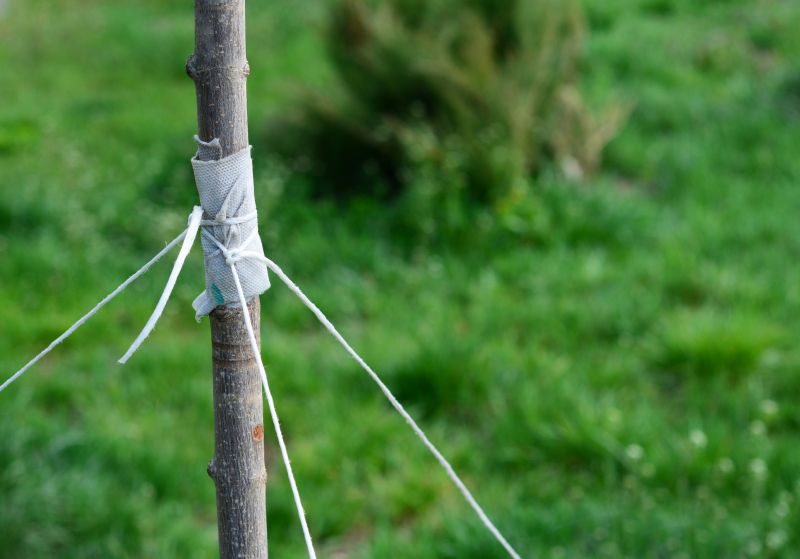
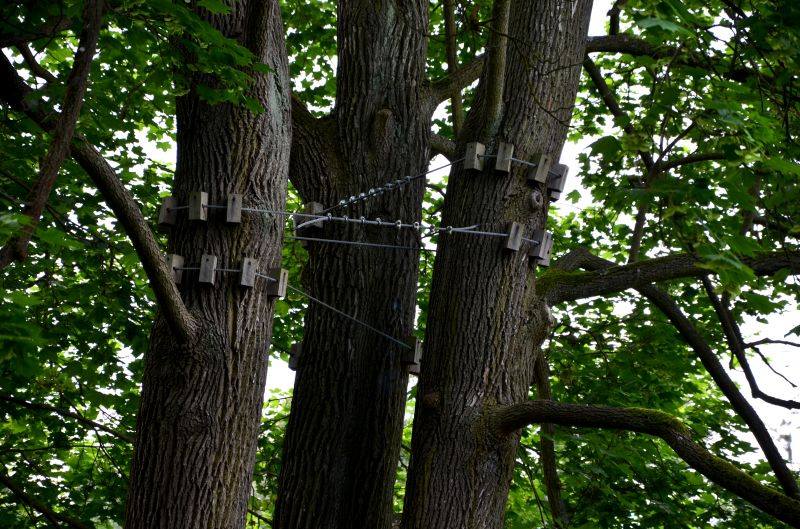
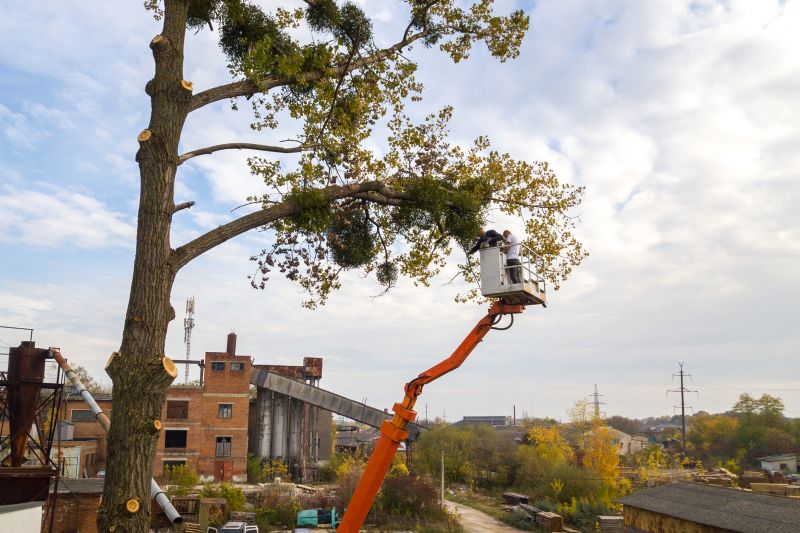
Tree cabling services involve installing supportive cables and hardware to stabilize and reinforce trees that may be at risk of damage or failure. This process typically includes assessing a tree’s structure, identifying weak branches or trunks, and strategically placing cables to provide additional support. The goal is to help trees withstand environmental stresses such as wind, storms, or heavy snow, reducing the likelihood of limbs breaking or the entire tree falling. By reinforcing the natural structure of mature or weakened trees, these services help preserve the health and safety of surrounding property and people.
Many common problems can be addressed through tree cabling. For instance, trees with heavy or asymmetrical branches, cracks in the trunk, or signs of decay can benefit from cabling to prevent limbs from splitting or falling unexpectedly. This service is also useful for trees that have experienced previous damage or are showing early signs of structural weakness. Proper cabling can extend the lifespan of a tree and prevent costly property damage or injury caused by falling branches or trees during storms or high winds.
Properties that often utilize tree cabling services include residential homes, commercial buildings, parks, and golf courses. In residential settings, homeowners may seek cabling to protect their property and loved ones from falling limbs, especially in areas prone to storms. Commercial property owners and facility managers might use these services to maintain safety standards and preserve the aesthetic appeal of their landscapes. Public parks and recreational spaces also benefit from tree cabling to ensure that mature trees remain safe and stable for visitors, while landscape professionals and arborists often recommend cabling as a preventative measure for valuable or historically significant trees.
Homeowners and property managers should consider tree cabling services when they notice signs of structural weakness, such as dead or hanging branches, cracks in the trunk, or leaning trees. It’s also a practical solution for trees that have been damaged by weather or pests but are still healthy enough to be stabilized. By working with local contractors who specialize in tree support systems, property owners can proactively address potential hazards, protect their investments, and maintain the safety and beauty of their outdoor spaces.
The overview below groups typical Tree Cabling Service projects into broad ranges so you can see how smaller, mid-sized, and larger jobs often compare in your area.
In many markets, a large share of routine jobs stays in the lower and middle ranges, while only a smaller percentage of projects moves into the highest bands when the work is more complex or site conditions are harder than average.
Smaller Repairs - Typical costs for minor tree cabling repairs generally range from $250 to $600. Many routine jobs fall within this middle range, making it a common expense for local contractors. Fewer projects tend to push into the higher end of this spectrum.
Standard Tree Cabling - For standard cabling installations on healthy, mature trees, costs usually range from $600 to $1,500. Most projects land in this band, with larger or more complex trees occasionally exceeding this range.
Large or Complex Projects - Larger, more complex tree cabling projects can cost between $1,500 and $3,000. These jobs often involve multiple trees or specialized equipment, which can increase the price, though many projects stay below this upper tier.
Full Tree Support Systems - Full support or cabling systems for very large or structurally compromised trees can reach $3,000 or more. Such extensive work is less common but necessary for high-risk trees requiring comprehensive stabilization solutions.
Actual totals will depend on details like access to the work area, the scope of the project, and the materials selected, so use these as general starting points rather than exact figures.
Tree Pruning and Trimming - involves shaping and maintaining trees, requiring similar planning and tools as cabling to ensure tree health and safety.
Utility Line Installation - includes installing or repairing overhead and underground utility lines, which demands careful planning and the use of specialized equipment.
Landscape Lighting Installation - requires precise planning and wiring skills to enhance outdoor spaces, similar to the electrical considerations in tree cabling.
Structural Support Systems - involves installing supports for buildings or large structures, sharing planning and structural assessment skills with tree cabling projects.
Storm Damage Tree Restoration - includes assessing and repairing damaged trees, often involving cabling and bracing techniques to restore stability.
Urban Tree Maintenance - encompasses comprehensive care and support for trees in city environments, utilizing similar techniques and planning as tree cabling services.
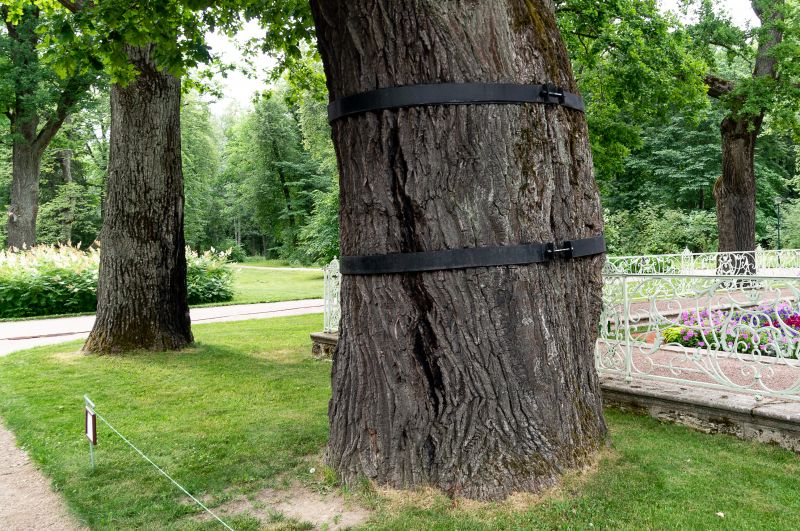
When evaluating potential service providers for tree cabling, it’s important to consider their experience with similar projects. Homeowners should look for local contractors who have a proven track record of handling tree cabling services in environments comparable to their own. Asking about the types of trees worked on, the complexity of past projects, and the length of time they have been providing these services can help gauge their familiarity and skill level. An experienced professional is more likely to understand the nuances of tree cabling and deliver results that support the health and stability of the trees involved.
Clear, written expectations are essential when comparing local pros for tree cabling services. Homeowners should seek providers who can articulate their scope of work, the materials they plan to use, and the steps involved in the process. Having these details documented helps ensure everyone is aligned on what will be done and reduces the risk of misunderstandings. It’s beneficial to request a detailed proposal or written estimate that outlines the services, so homeowners can compare offerings and make informed decisions based on transparency and clarity.
Reputable references and good communication are key factors in selecting a reliable service provider. Homeowners are encouraged to ask for references from previous clients who had similar work performed. Contacting these references can provide insights into the contractor’s professionalism, reliability, and quality of work. Additionally, effective communication throughout the process-such as prompt responses to questions and clear explanations-can make the experience smoother and more predictable. While the site introduces homeowners to local options, it is the responsibility of the homeowner to verify these qualities directly with the service providers to find a good fit for their tree cabling needs.
Property owners use Tree Cabling Service services for practical projects around their homes and businesses. This guide focuses on everyday jobs and straightforward project options.
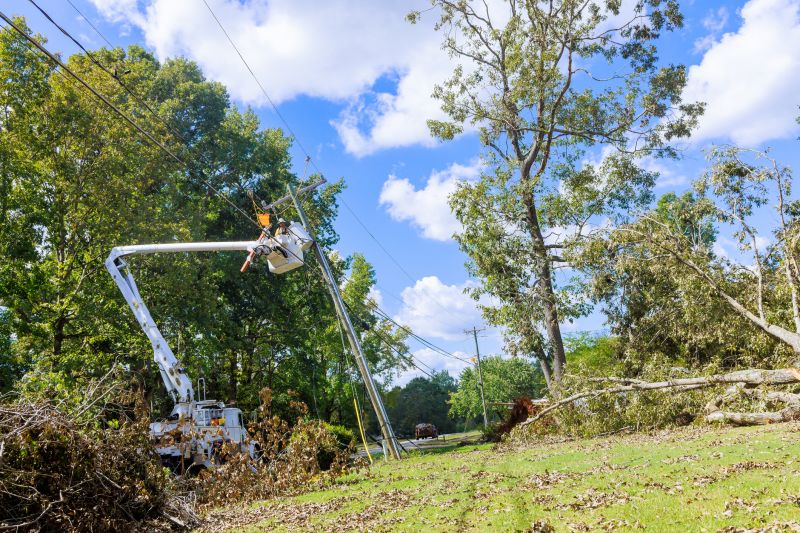
Tree cabling services are often needed when property owners notice that their trees have heavy branches or structural issues that could pose a risk during storms or high winds. Local contractors can provide the necessary support to stabilize these trees, helping to prevent potential damage to nearby structures, power lines, or walkways. Additionally, property owners may seek tree cabling to protect valuable or historic trees that require extra support to maintain their health and safety, especially in areas with mature landscaping.
In everyday situations, those managing large or aging trees might look for cabling solutions to address weak or compromised branches. This service can also be useful for trees that have experienced previous damage or have naturally heavy limbs that need reinforcement. Local service providers are equipped to evaluate the specific needs of each tree and recommend appropriate cabling options to ensure safety and longevity.
What is tree cabling service? Tree cabling service involves installing supportive cables or braces to help stabilize and protect mature or structurally weak trees, reducing the risk of limb or trunk failure.
Why might a tree need cabling? Trees with heavy or overextended branches, cracks, or signs of structural weakness can benefit from cabling to prevent damage during storms or high winds.
How do local contractors perform tree cabling? Trained service providers assess the tree’s condition, determine the appropriate cabling system, and install cables carefully to support the tree’s structure without causing harm.
Is tree cabling a permanent solution? Tree cabling is designed to provide ongoing support, but it may require maintenance or adjustments over time as the tree grows or conditions change.
What types of trees can benefit from cabling services? Various trees, including mature, large, or those with structural issues, can benefit from cabling to enhance stability and safety.
Tree Support and Stability - Tree cabling services can help reinforce weak branches or trunks to prevent breakage during storms or high winds.
Protecting Property and People - Proper cabling can reduce the risk of falling limbs that might damage structures or pose safety hazards.
Extending Tree Lifespan - Installing cabling can support aging or stressed trees, allowing them to remain healthy and safe on the property.
Preserving Landscape Features - Tree cabling can help maintain the shape and integrity of valuable or historic trees in landscaped areas.
If you are thinking about Tree Cabling Service for a property, this guide is meant to help you understand the work, the typical project types, and how different options might fit your plans.
When you are ready, you can use the quote form on this page to share a few details about your project. From there, local pros can review the basics and respond with options that match what you have in mind.